Exploring the Opposite of a Psychic: Understanding Non-Psychic Abilities
The world of psychics has long fascinated and intrigued people, but have you ever wondered about the opposite of a psychic? In this article, we will delve into the concept of non-psychic abilities, exploring their definition, characteristics, scientific explanations, cultural perspectives, skepticism, ethical considerations, and personal exploration.
Understanding Psychics
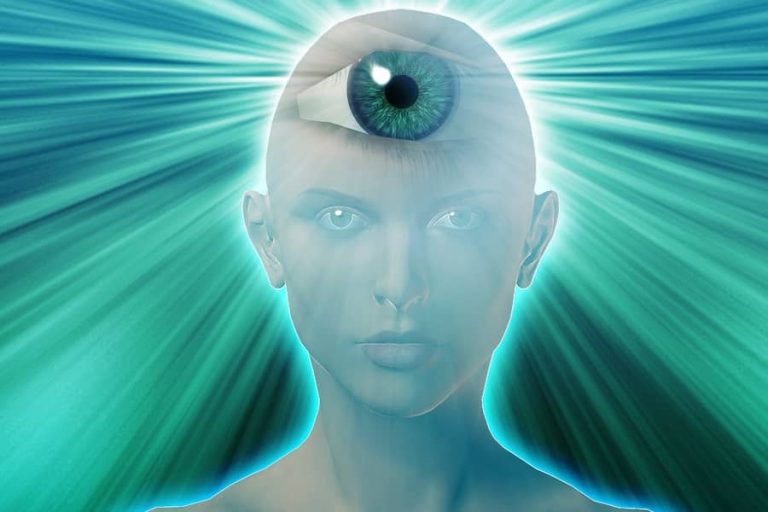
To grasp the opposite of a psychic, it’s essential to comprehend what a psychic is. Psychics are individuals who claim to possess extrasensory perception (ESP) or the ability to tap into the unseen realm, gaining insight beyond ordinary human senses. They may demonstrate abilities such as clairvoyance, telepathy, or precognition.
The Opposite of a Psychic
The opposite of a psychic refers to individuals who lack these psychic abilities. They do not exhibit ESP or have any discernible connection to the metaphysical realm. While psychics claim to tap into higher consciousness, those who are non-psychic operate solely within the bounds of ordinary sensory perception.
Characteristics of Non-Psychic Abilities
Non-psychic individuals rely on their five basic senses—sight, hearing, taste, touch, and smell—to perceive and understand the world around them. They may excel in areas such as critical thinking, logical reasoning, and observation skills, focusing on tangible information rather than intuitive or psychic insights.
Possible Reasons for the Absence of Psychic Abilities
The absence of psychic abilities in some individuals can be attributed to various factors. It is believed that genetics, neurological differences, and environmental influences may play significant roles. Additionally, skeptics argue that psychic abilities may not exist at all, considering them to be products of subjective interpretation and coincidence.
Examples of the Opposite of a Psychic
There are countless individuals known for their non-psychic abilities. Scientists, engineers, artists, and professionals from diverse fields often rely on their specialized skills and knowledge rather than psychic intuition. By utilizing empirical evidence, research, and logical reasoning, they contribute to advancements in their respective disciplines.
Scientific Perspectives on Psychic Abilities
Scientific understanding of psychic abilities remains limited. While some studies explore the possibility of ESP, the majority of scientific research focuses on explaining phenomena through established natural laws. Neurological and psychological perspectives suggest that psychic experiences might be attributed to cognitive biases, suggestibility, or the power of the human imagination.
Cultural Perspectives on Non-Psychic Abilities
Cultures worldwide vary in their beliefs and interpretations of psychic abilities. Some cultures prioritize empirical evidence and tangible experiences, while others embrace metaphysical concepts and spiritual practices. Cultural perspectives shape attitudes towards non-psychic abilities, emphasizing the value of logic, rationality, and tangible achievements.
Skepticism and Criticism
Skepticism towards psychic abilities is common, rooted in the lack of scientific evidence and the prevalence of fraudulent practices. Skeptics advocate for critical thinking, empirical evidence, and the need for controlled experiments to support any claims of psychic phenomena. Balancing skepticism with open-mindedness allows for a nuanced exploration of the subject.
Ethical Considerations
Ethical considerations arise when dealing with psychic abilities. It is important to respect personal boundaries, seek consent, and prioritize the well-being of others. Responsible practitioners should ensure that their interactions do not cause harm or manipulate vulnerable individuals, maintaining ethical standards throughout their work.
Exploring Non-Psychic Abilities Personally
Individuals who are interested in exploring their non-psychic abilities can focus on developing and honing their existing skills and talents. Emphasizing critical thinking, observation, and analysis can lead to personal growth and success in various endeavors. Embracing one’s unique abilities fosters a sense of self-awareness and fulfillment.
Conclusion
While psychics capture our fascination with their claimed abilities, understanding the opposite of a psychic sheds light on the vast diversity of human capabilities. Non-psychic individuals rely on their five senses and conventional methods of perception to navigate the world. By acknowledging and valuing the different ways in which people perceive and interpret reality, we can foster a greater appreciation for the richness of human experiences.